February 2026 marked the 100th year celebrations of Black History Month.
Started by the son of former slaves who felt the role of his own people in American history was being ignored, Carter G. Woodson (Historian, Author, Journalist) — along with William D. Hartgrove, George C. Hall, Alexander L. Jackson, and James E. Stamps — founded the Association for the Study of Negro Life & History on September 9, 1915.
Eleven years later, during the second week of February, “Negro History Week” was observed due to it coinciding with the birthdays of Frederick Douglass and Abraham Lincoln. Over time, various educators and students began to propose the idea of Black History Month by 1969.
From 1926–2026, a milestone has been met through the rigorous research and intentional efforts of Carter Godwin Woodson and others in the beginning, as many throughout time have kept his vision alive.
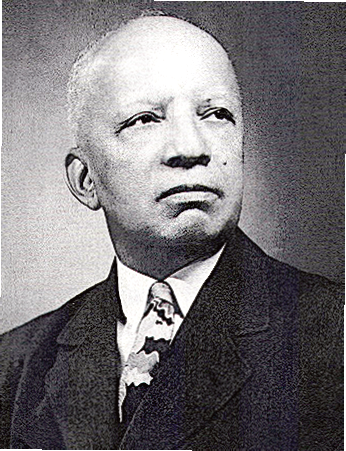
Carter G. Woodson (Father of Black History)
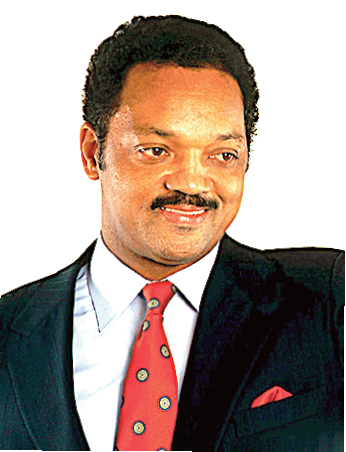
Rev. Jesse Jackson
Ironically, yet sadly, during Black History Month the world has lost one of the last of the great activists from the Civil Rights Movement. Jesse Jackson departed this world February 17, 2026.
Beginning his activism in the 1960s, Jackson founded organizations such as Rainbow/PUSH Coalition and hosted the CNN Network broadcast “Both Sides with Jesse Jackson” from 1992–2000, speaking on issues such as police brutality, the Republican Party, and conservative parties, amongst other topics.
Jackson was revered as one of the most influential African-American activists of his era, leading two presidential campaigns in 1984 and 1988 (becoming the first African-American man since Reconstruction to address a joint session of the Alabama Legislature stating, “It’s about time we forgot about Black and White and started talking about employed and unemployed”) and being the second African-American after Shirley Chisholm to mount a nationwide campaign for president as a Democrat.
Standing up for rights of not only African-Americans but all people in regards to equality, he had given his voice of support for the LGBTQ community. Following in the footsteps of prominent civil rights leaders such as Martin Luther King Jr., Jackson was no stranger to Alabama, often visiting local churches throughout the years and befriending retired Birmingham pastor, Tommy Lewis.
Though a good athlete in sports such as baseball, basketball, and football, Jackson would become a powerful voice as a Baptist minister who would inspire well-known jazz musicians like Cannonball Adderley (being the inspiration behind Adderley’s jazz classic “Country Preacher”) and leading community efforts to help disenfranchised and poverty-stricken areas through Operation Breadbasket.
We salute the indelible mark Carter G. Woodson has left on our country to recognize the unrecognizable, as we remember the legacy of Rev. Jesse Louis Burns Jackson.
Let us remember that all as human beings are equal and no matter what, as Rev. Jackson reassured us:
“No matter what others say I Am Somebody (You Are Somebody).”